Windshield Damage: Key Signs Indicating Replacement May Be Necessary

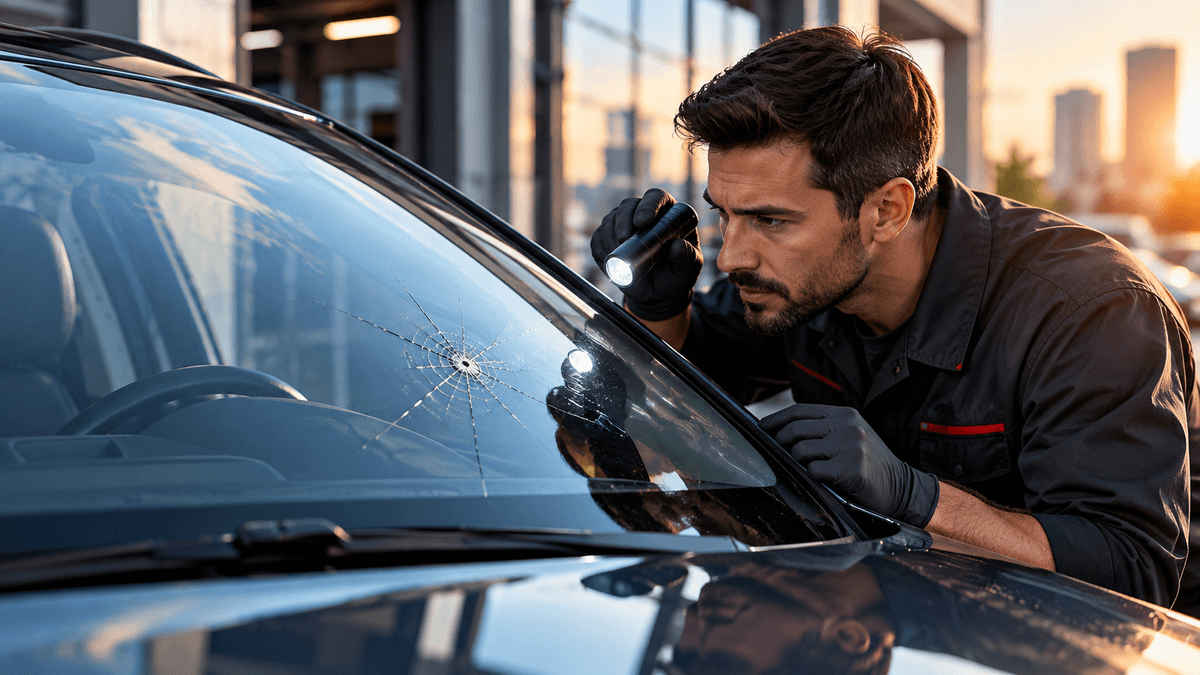
Not every chip or crack requires new glass. Understanding the location, extent, and behaviour of windshield damage can help drivers determine when repair may be possible and when replacement deserves consideration.
A small stone chip can be easy to dismiss, particularly when it sits outside the driver's immediate field of view. Windshield damage, however, can change over time as the vehicle encounters vibration, road impacts, and temperature fluctuations.
The important question is not simply whether the windshield is damaged. It is whether that damage can reasonably be repaired or whether the condition of the glass makes replacement the more appropriate option. Knowing what to look for can make that conversation with an auto-glass professional more productive.
Start With the Size and Location of the Damage
The first step is to look at where the damage occurred and how far it extends.
According to the Auto Glass Safety Council, technicians should evaluate factors including the size, depth, location, and type of damage before deciding whether a repair is appropriate. Damage that penetrates deeply into the glass or affects certain critical areas can rule out repair.
Location deserves particular attention. Damage near an edge can be different from an isolated chip farther toward the centre because the perimeter is an important part of the windshield's structure. Damage within the driver's primary viewing area can also present visibility concerns even when it appears relatively small.
Instead of judging the windshield solely by how dramatic a crack looks, consider location, depth, extent, and visibility together.
Pay Attention When Damage Begins to Change
A chip or crack that remains noticeable should be monitored rather than forgotten. If the damaged area grows, develops additional cracks, or begins interfering with the driver's view, it is time for a professional assessment.
Temperature changes can also place stress on already damaged glass. Natural Resources Canada notes that Toronto experiences considerable seasonal temperature variation, making changing weather part of everyday vehicle ownership in the region.
When damage appears extensive or continues spreading, information about professional windshield replacement can help drivers understand the services involved before arranging an assessment.
The objective is not to assume that every chip requires replacement. It is to recognize when changing damage has moved beyond something a driver should simply continue watching.
Consider the Technology Around the Windshield
Windshields have become more closely integrated with vehicle technology. Depending on the model, a forward-facing camera used by an advanced driver-assistance system (ADAS) may be mounted near or behind the windshield.
That matters because replacing the glass can affect the relationship between the camera and the road ahead. The Insurance Institute for Highway Safety notes that repairs involving windshields can require calibration of cameras used by crash-avoidance systems.
Drivers with these systems should therefore check their vehicle manufacturer's requirements and ask the service provider whether ADAS calibration applies to their particular vehicle.
This is also a reason to provide the exact year, make, model, and relevant equipment when arranging glass service. Windshield replacement on a modern vehicle may involve more than matching the dimensions of a piece of glass.
Know What to Ask Before Replacement Begins
Once replacement appears necessary, a few practical questions can help clarify the process.
Ask what type of replacement glass is appropriate for the vehicle and whether any cameras, sensors, heating elements, antennas, or other windshield-integrated equipment need consideration. Drivers should also ask whether calibration is required and how it will be handled.
Another useful question concerns safe drive-away time. Windshield adhesive needs sufficient time to cure before the vehicle is driven, and the appropriate interval can depend on the adhesive and conditions. The Auto Glass Safety Council advises following the adhesive manufacturer's minimum safe drive-away time rather than assuming the vehicle is immediately ready for use.
Insurance is another consideration. Coverage, deductibles, claim procedures, and glass provisions vary by policy, so drivers should verify the details directly with their insurer rather than assuming repair or replacement will be covered.
Make the Decision Based on the Windshield, Not Guesswork
The difference between repair and replacement is not always obvious from the driver's seat. A small-looking impact can have characteristics that affect repairability, while other damage may still qualify for professional repair.
Regularly check the windshield for new chips, expanding cracks, visibility problems, and changes around previously damaged areas. When damage changes or creates uncertainty, having it assessed provides a clearer basis for deciding what comes next.
For vehicles equipped with windshield-mounted cameras or other driver-assistance technology, remember to ask about vehicle-specific replacement and calibration requirements as part of the same conversation.
The goal is straightforward: identify the condition of the glass, understand the available options, and make the decision using the actual characteristics of the damage rather than assumptions.
About Tech Savvy Automotive
windshield repair Tech Savvy Automotive is an automotive service provider located in Brantford, Ontario, Canada. The company offers auto glass repair and replacement services through its partnership with Novus Glass. Its services include windshield replacement, windshield chip and crack repair, side and rear window replacement, and assistance with insurance claims.