
Stonewell Cleaning Addresses Workplace Hygiene as Cincinnati Doctors Report Early Flu Cases
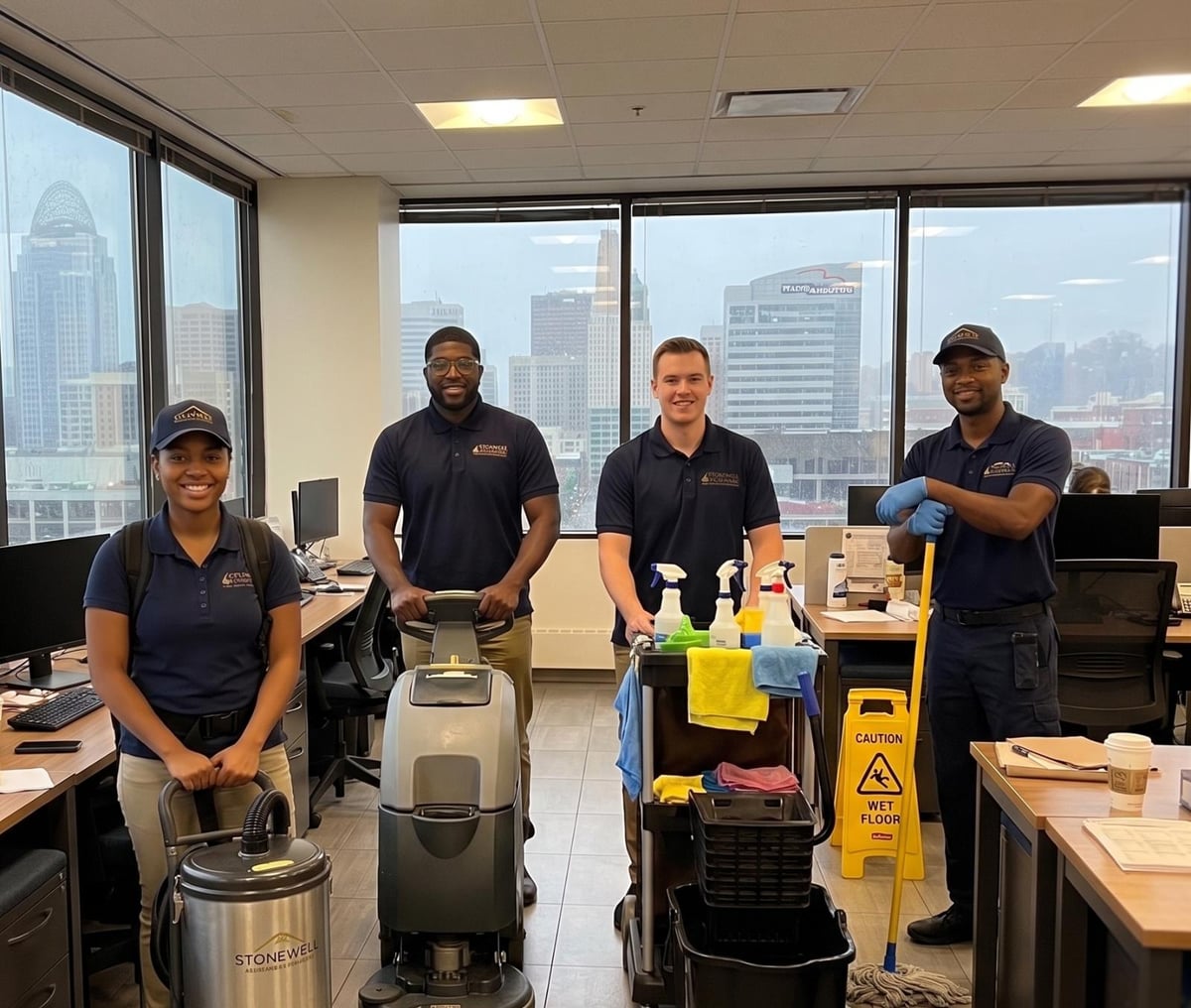
By noon, the same office door handle may have been touched dozens of times. Employees have used the break room, customers have visited reception, and someone has wiped down a shared desk with a paper towel. The office may still look spotless, but its busiest surfaces tell another story. As Cincinnati doctors report influenza cases arriving earlier than usual, locally owned Stonewell Cleaning LLC is encouraging employers to reconsider what gets cleaned, how often, and why.
The discussion follows reports of rising flu activity ahead of the traditional winter peak. For Stonewell Cleaning owner Dennis Hines, the message is not that cleaning can stop the flu. It is that a sensible cleaning plan should reflect how people actually use a building.
Cincinnati Doctors Report Early Flu Activity
On November 11, 2026, FOX19 reported that local physicians were seeing influenza cases earlier than expected. UC Health infectious disease specialist Dr. Carl Fichtenbaum said cases began appearing in late September and had recently increased.
Flu activity commonly peaks during winter, but an early rise gives employers a reason to review their preparations before the busiest months arrive.
The issue affects more than traditional offices. Retail stores, gyms, warehouses, and other commercial facilities bring employees and visitors into shared spaces throughout the day.
However, influenza spreads primarily through respiratory particles, not contaminated surfaces. The Centers for Disease Control and Prevention emphasizes vaccination, cleaner indoor air, hand hygiene, and staying home when sick alongside routine cleaning.
What a Clean-Looking Office Can Miss
A facility may receive regular floor mopping and trash removal while frequently touched fixtures receive less attention.
Consider an ordinary workday: refrigerator handles, coffee-machine buttons, microwave controls, restroom faucets, door hardware, payment terminals, and shared workstations can be used repeatedly between cleaning visits.
These areas need attention based on actual traffic, not simply a fixed checklist applied to every building.
"An office can look clean from the front door, but that doesn't tell you whether the shared areas are getting enough attention," Dennis explains. "We look at where people spend time and what they touch throughout the day. That's what should guide the schedule."
A small appointment-only office may need a different approach from a busy retail store with customers arriving continuously. Likewise, a gym's equipment and locker rooms present different demands from a warehouse's offices and break spaces.
Cleaning Is Not the Same as Disinfecting
The CDC distinguishes cleaning from disinfection.
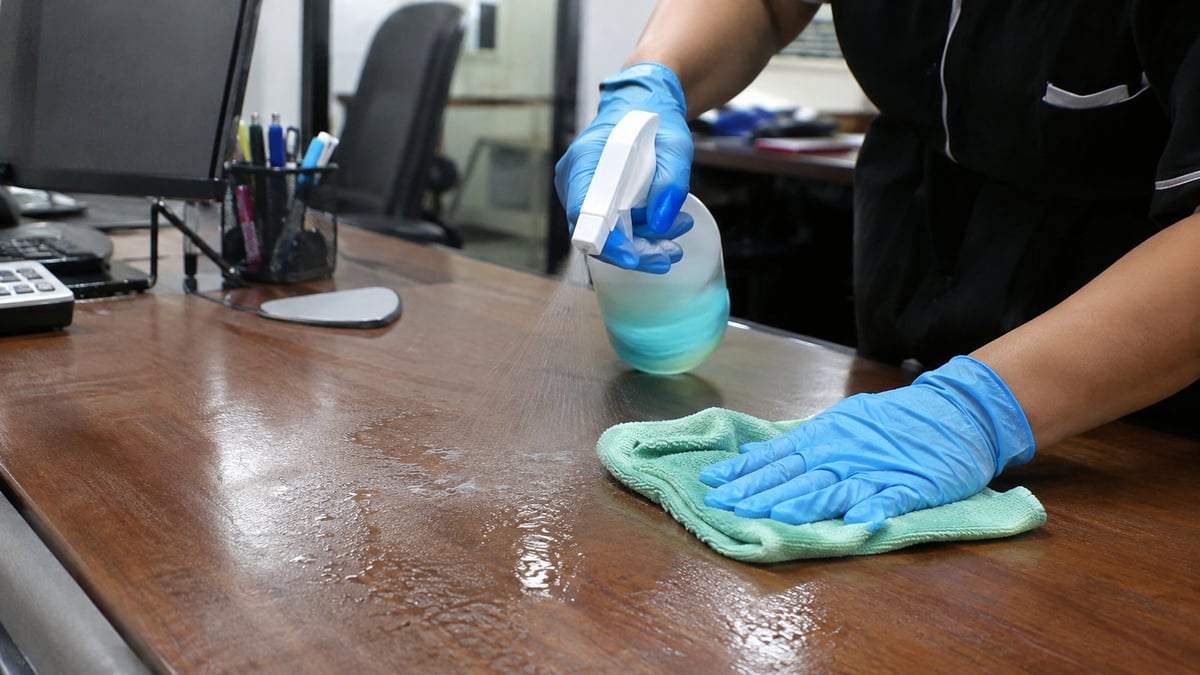
Cleaning removes dirt and reduces germs on surfaces through appropriate products and physical action. Disinfecting uses chemicals designed to kill specific germs.
Regular cleaning is appropriate for most everyday commercial environments. Additional disinfection may be warranted when someone has been sick or when facility conditions call for it.
An important detail involves contact time.
Many disinfectants must remain wet on a surface for a specified period to work as directed. Spraying a product and immediately wiping it dry may not achieve the intended result.
Different materials also require different methods. A restroom sink, wooden reception desk, and computer keyboard should not automatically be cleaned with identical chemicals.
"Using more product isn't always better," Dennis says. "The right method depends on the surface, the product instructions, and what you're trying to clean. Rushing a job can mean missing the areas that matter most."
When Businesses Need a Deeper Clean
Routine janitorial services handle recurring needs such as restroom sanitation, trash removal, dusting, floor maintenance, and wiping shared surfaces.
Deep cleaning addresses accumulated dirt and details that ordinary visits may not cover, including baseboards, floor edges, fixtures, and hard-to-reach areas.
One-time cleaning can also be useful before new tenants occupy an office, following renovations, or when reopening a property that has been vacant.
However, a single deep cleaning does not replace regular maintenance. Once employees and customers return, the cycle of daily use begins again.
Stonewell Cleaning provides recurring janitorial service, deep cleaning, one-time commercial cleaning, and floor care to offices, retail spaces, warehouses, gyms, and other facilities throughout Greater Cincinnati.
Dennis believes the best starting point is evaluating the building's operating hours, employee and customer traffic, restroom usage, and recurring trouble spots.
"A busy retail business shouldn't automatically have the same cleaning plan as a small office," Dennis explains. "Some areas need daily attention, while others can be handled during scheduled deep cleaning. The important thing is making that decision based on the building."
Healthcare Facilities Require Different Standards
Medical offices and other healthcare facilities have cleaning responsibilities that differ from ordinary commercial properties.
Patient-care environments may require specialized disinfectants, cleaning frequencies, infection-control procedures, and staff training.
The CDC's general facility cleaning recommendations do not replace the specific infection-control requirements applicable to healthcare settings.
Property managers should ensure that cleaning procedures reflect their facility's actual use and applicable standards rather than relying on a general office cleaning checklist.
A Winter Check for Cincinnati Employers
Stonewell Cleaning is a locally owned, Black-owned commercial cleaning company serving Cincinnati and surrounding communities, including Blue Ash, Sharonville, Fairfield, Mason, West Chester Township, and parts of Northern Kentucky.
Its team brings more than 15 years of commercial cleaning experience.
As flu season develops, Dennis encourages employers to review the areas employees and customers share, confirm who is responsible for cleaning them, and ensure supplies and schedules match the building's needs.
Cleaning cannot guarantee that people will avoid illness. But consistent maintenance supports everyday hygiene and complements broader workplace health precautions.
For Cincinnati businesses, the early arrival of flu season raises a practical question worth asking before the busiest winter months begin:
Does the cleaning schedule reflect what happens inside the building after the doors open?