
Stanford Advanced Materials Introduces Ta-Cored Nitinol Wire for Continuous Fluoroscopic Visibility in Medical Devices
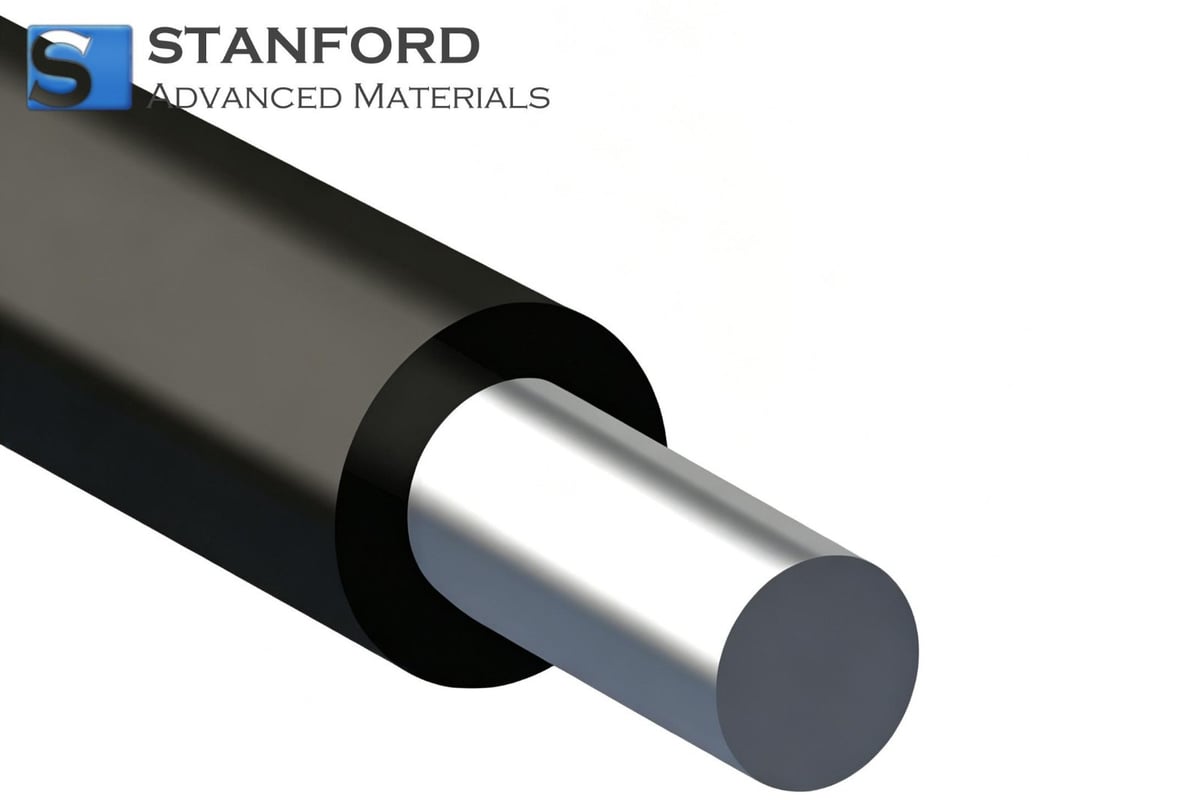
Stanford Advanced Materials (SAM) today announced the launch of its Ta-cored Nitinol Wire, a composite wire designed to provide continuous fluoroscopic visibility in medical devices. The product combines Nitinol's mechanical properties with tantalum's high radiopacity to address imaging challenges in minimally invasive procedures.
Nitinol is widely used in medical devices for its superelasticity and shape memory properties, allowing components to flex and recover their original shape. However, its limited radiopacity can make tracking devices under X-ray guidance difficult. SAM's solution incorporates a tantalum core within a Nitinol outer structure, providing continuous visibility along the wire rather than relying solely on discrete marker bands.
The Ta-cored Nitinol Wire is available in diameters from 0.05 mm to 1.0 mm, with tantalum core percentages ranging from 10% to 40%. Custom dimensions, tolerances, and surface finishes are available to meet specific device design requirements.
"Device engineers have long had to balance mechanical performance against imaging visibility," said Maria Higgins, Marketing Manager at Stanford Advanced Materials. "This composite wire is designed to help reduce that trade-off by offering continuous visibility without compromising the flexibility and shape recovery that Nitinol is known for."
For applications requiring localized visibility, SAM also offers Tantalum Marker Bands and Platinum Iridium Marker Bands.
The Ta-cored Nitinol Wire is now available for inquiries and custom orders through Stanford Advanced Materials.
About Stanford Advanced Materials
Founded in 1994, Stanford Advanced Materials supplies metals, ceramics, and compounds for research and industrial applications worldwide. Headquartered in Santa Ana, California, the company serves the medical device, aerospace, electronics, and energy sectors. For more information, visit samaterials.com.