
Septic Solutions Addresses Flood-Related Pumping Risks in Homeowner Guide
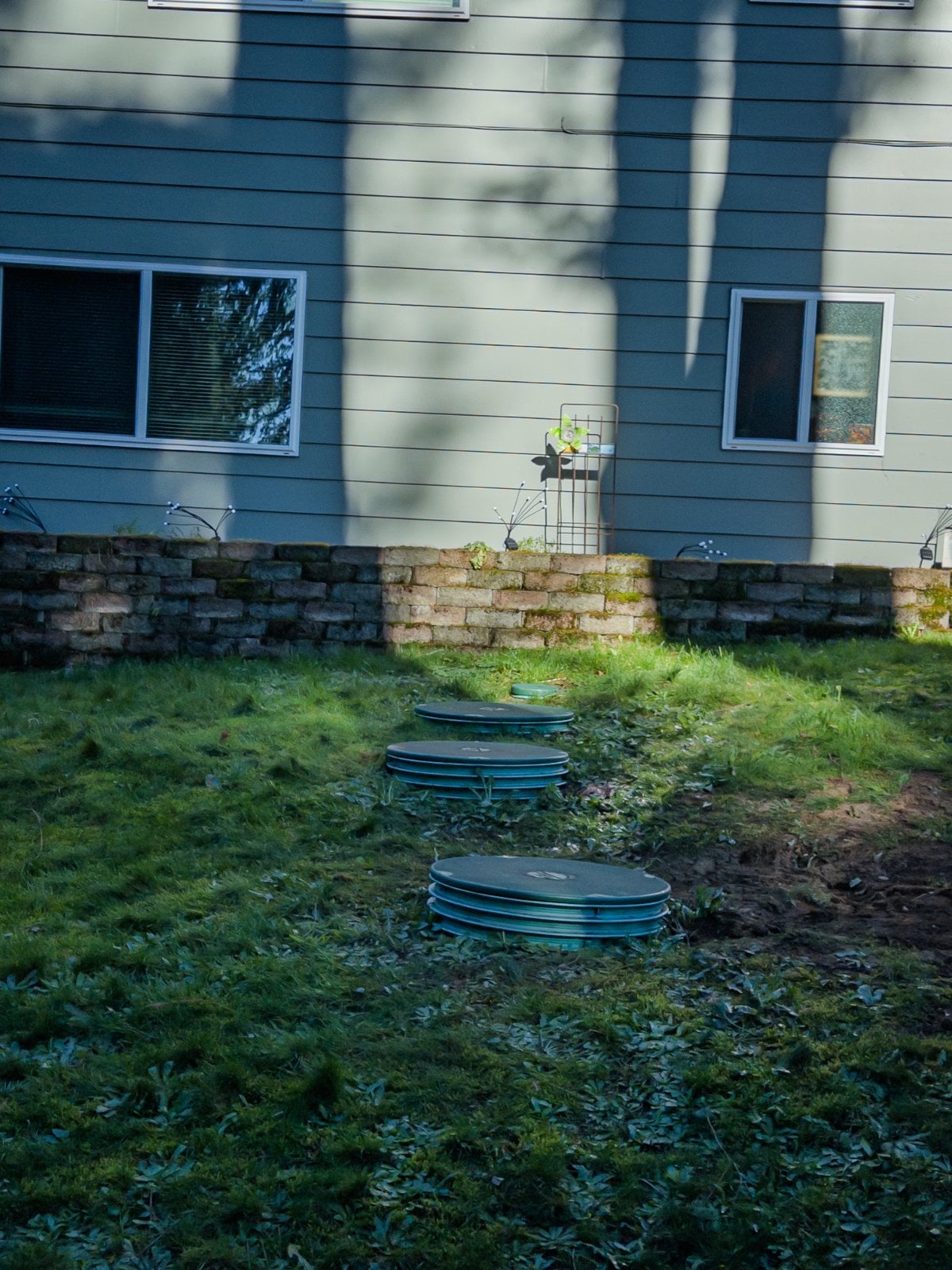
Septic Solutions LLC has prepared an expert guide explaining how homeowners should approach septic pumping when heavy rain leaves water over a tank or drainfield. The guide, “Septic Systems After Flooding,” is written by Art Nikolin, Operations Manager at Septic Solutions, and focuses on the conditions that determine whether pumping can help or create additional risk.
The material addresses localized flooding on Western Washington properties, including situations where a house remains dry while water collects over buried septic components. It explains why the location of that water matters and how existing system drawings and service records can help a homeowner describe the problem without opening submerged access points.
One central distinction is between removing liquid from a tank and resolving conditions outside it. Groundwater may enter through leaking components, while saturated soil can limit the drainfield's ability to receive wastewater. Pumping does not lower the surrounding groundwater, and a tank may refill even when the household is using very little water.
The guide also explains the risk of tank movement. Removing contents reduces weight that helps resist the upward force of surrounding water. Depending on the installation and conditions, movement can damage connections even without a tank rising visibly above ground. A concrete tank's weight alone does not establish that it is safe to empty.
Rather than presenting a fixed waiting period or a partial pump-out as a universal solution, the guide directs attention to a professional assessment of the property. Its recommendations distinguish flood recovery from a routine maintenance appointment and explain why a dry-looking surface does not necessarily establish suitable groundwater conditions.
Household planning is another focus. The material discusses alternatives when septic use must stop, keeping floodwater out of household drains, and avoiding attempts to force the system's pump to move additional wastewater into an affected drainfield. It also addresses the need to keep away from flooded electrical equipment and have affected components checked before restarting them.
Once conditions permit safe work, pumping may be needed to remove silt, debris, or accumulated solids. The guide explains that servicing the main tank does not by itself confirm the condition of filters, pumps, and other components. It encourages homeowners to retain photographs and service records and to ask what findings support a proposed repair or return to use.
Information about the company's diagnostic services is available through its septic system troubleshooting page. Homeowners reporting a backup, surfacing sewage, or another urgent concern can also review its emergency septic service information and describe the flood conditions when arranging help.
About Septic Solutions LLC
Septic Solutions LLC provides septic installation, pumping, maintenance, inspection, repair, and troubleshooting services in Western Washington. Its homeowner education materials explain system operation, service decisions, and the limits of general advice when site conditions require individual assessment.