SEMagi Introduces a Structured Approach to Making Inherited Keyword Research More Valuable for Content Teams

SEMagi, a United States-based digital marketing and SEO platform, is highlighting a practical approach to reviewing inherited keyword research and transforming existing keyword lists into actionable content planning resources. The approach focuses on helping SEO professionals, editors, and content creators preserve valuable research, identify missing information, improve keyword organization, and develop clearer article assignments based on current search requirements.
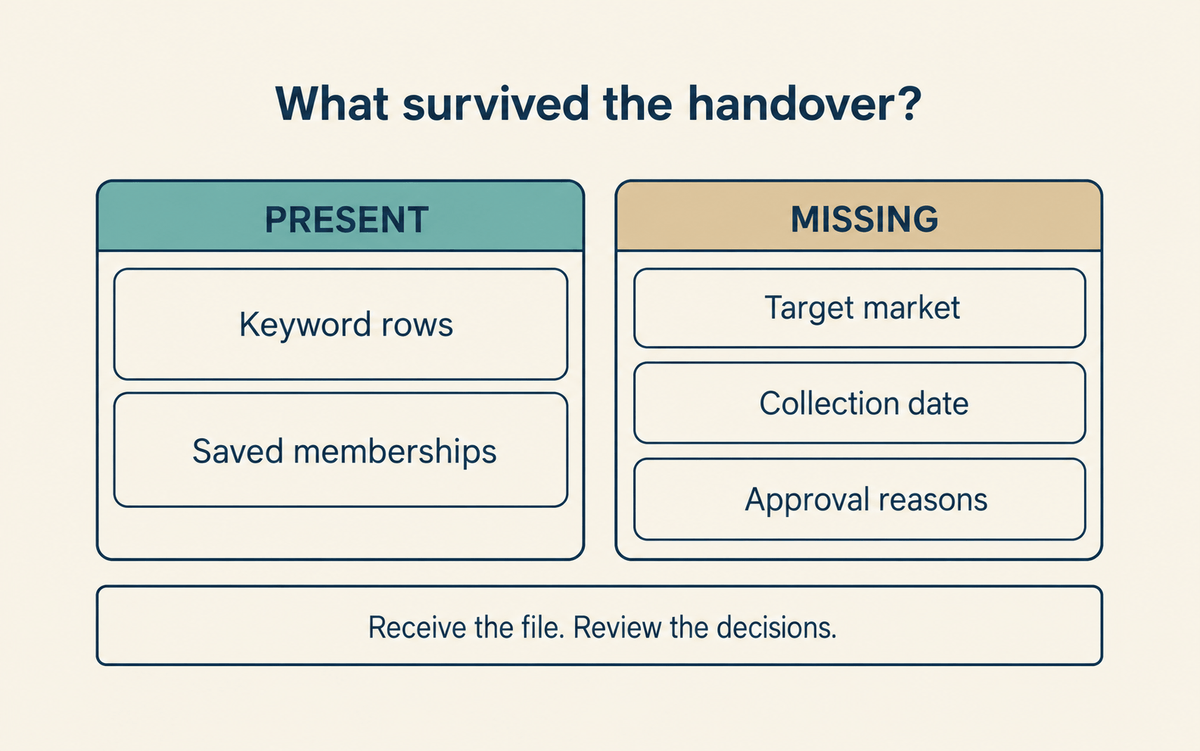
When content teams take responsibility for an existing website or SEO project, they frequently inherit spreadsheets containing keyword groups, search phrases, proposed article titles, and historical research metrics. Although these documents can provide a useful foundation for future planning, they do not always explain the original target market, intended audience, or reasoning behind particular keyword groupings.
SEMagi emphasizes that inherited keyword research should not automatically be discarded or accepted without review. Instead, editors should examine the available information, identify what remains useful, and establish a clear understanding of how the research can support current publishing objectives.
Understanding the Information Behind Existing Keyword Groups
The first step in reviewing an inherited keyword list is to distinguish between the information actually recorded and the assumptions that may have developed around it. Individual keyword entries show which search phrases were collected, while existing keyword grouping workspace memberships reveal how an earlier editor organized those phrases. Proposed article titles can also indicate potential publishing plans, but they do not necessarily confirm that an assignment is ready for production.
For example, a baking website may contain an inherited keyword group labeled "Sourdough." Within that group, some phrases may relate to creating a sourdough starter, while others focus on baking a first loaf or troubleshooting common preparation problems.
Although these subjects belong to the same broader topic, they represent different reader requirements. Someone searching for instructions on creating a starter may have different questions and expectations from someone who already has an established starter and wants to bake bread.
Recognizing these distinctions helps editors identify opportunities to separate overlapping topics without losing useful search phrases. It also allows writers to work with clearer assignments and avoid combining unrelated reader needs into a single article.
Preserving Historical Research While Recovering Missing Context
SEMagi recommends keeping the original keyword spreadsheet unchanged while creating a separate working copy for review. This approach allows content teams to preserve the historical research and maintain a record of the decisions made during the updated review process.
Before collecting additional keywords, editors can examine previous content briefs, source exports, project discussions, and published articles. These materials may contain information about the original audience, geographic market, or editorial decisions that explain why certain phrases were grouped together.
Existing research metrics also require careful evaluation. Search-volume figures and other numerical indicators may have limited value when their sources, dates, or geographic markets are unknown. Rather than replacing missing information with assumptions, editors can retain the original figures and identify which information requires verification.
Previously published content should also be reviewed before commissioning new articles. An existing page may already address some of the inherited search phrases, making a new assignment unnecessary or requiring a different editorial direction.
When historical information cannot be recovered, teams can establish fresh research conditions by defining the current target audience, language, and geographic market. This creates a reliable foundation for future content decisions without requiring editors to reconstruct every action taken by previous team members.
Organizing Keywords Through SEMagi's Grouping Workspace
To support the process of reviewing and reorganizing keyword research, SEMagi offers a keyword grouping workspace designed to collect search signals and generate editable keyword groups. The platform provides a structured environment where users can process existing keyword lists and develop updated groupings based on selected search conditions.
The outline and article workflow begins with preparing a clean keyword file. Users can remove empty rows and exact duplicates while retaining meaningful differences between search phrases. The resulting keyword list can then be uploaded in CSV or UTF-8 TXT format through the Scrape & Group feature available on the Tools page.
After uploading the file, users can provide a recognizable task name and select the country and language relevant to their current website or content strategy. Additional settings, including search-result depth and grouping parameters, can be reviewed before submitting the task.
The platform generates keyword groups using the selected research context. This provides a fresh organizational view of the available phrases rather than attempting to reproduce undocumented settings from the original spreadsheet.
Once grouping is complete, users can review the full keyword memberships and make adjustments through the Edit Groups functionality. Phrases that require separate article assignments can be moved into different groups, while unclear category names can be replaced with more descriptive labels.
The revised keyword data can then be saved and exported in CSV or XLSX format. Keeping a brief explanation of significant changes alongside the exported file helps other editors understand the reasoning behind the updated structure.
Turning Keyword Groups Into Clear Editorial Assignments
Effective keyword organization is only one part of a successful content planning process. SEMagi also highlights the importance of translating reviewed keyword groups into understandable assignments that writers can follow without repeatedly consulting the original spreadsheet.
For instance, an assignment focused on creating a sourdough starter should clearly explain that the article is intended for beginners who do not yet have an established starter. Instructions for baking a first loaf can remain within a separate assignment because that article assumes the reader already has a suitable starter.
Troubleshooting-related phrases may require additional research because their answers can depend on preparation conditions and other factors that were not documented in the original keyword list. Editors can retain these phrases as research candidates while allowing a clearly defined starter-creation assignment to move forward.
SEMagi encourages teams to have another editor review the proposed assignment before commissioning an article. Someone who did not participate in the keyword review should be able to understand the intended audience, the article's starting point, and the neighboring topics that should remain outside its scope.
Connecting Reviewed Keywords With Article Development
Beyond keyword grouping, SEMagi supports the transition from research to content production through its outline and article workflow. Users can take selected keyword phrases and apply them as Base Keywords when preparing a new article.
Creating a More Reliable Handover for Future Teams
SEMagi also emphasizes maintaining organized records throughout the review process. Keeping the original keyword file, updated export, approved article assignment, and supporting research together makes it easier for future editors to understand how individual content decisions were reached.
About SEMagi
SEMagi is a United States-based digital marketing and SEO platform specializing in keyword research, search intent analysis, content planning, and AI-powered writing solutions. The platform helps businesses and content creators organize keyword data, develop content strategies, and streamline their article creation workflows.