
Game On: a British photographer goes deep into China's "Village Sports"
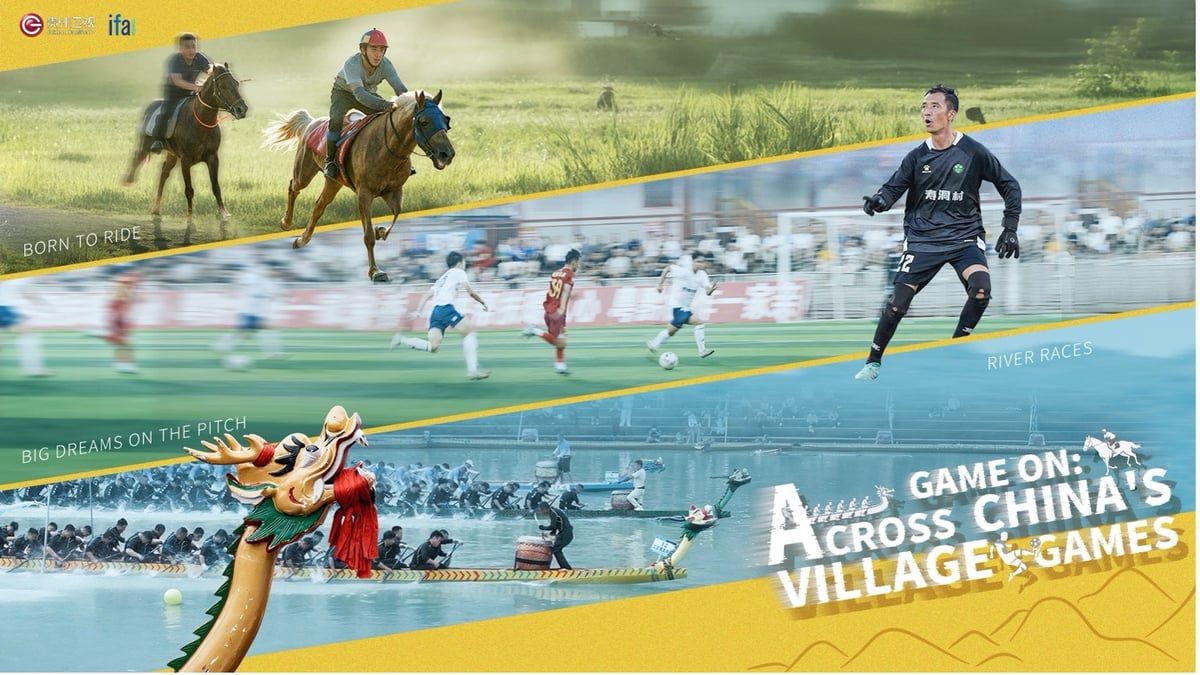
In this corner of China, the prize for winning a football match is only a chicken, the crowd at a dragon-boat race spills down a riverbank, and a dump-truck driver is treated like a hometown sporting hero. Guizhou — for decades one of the country's poorest provinces — has quietly become the stage for what state media now calls "Village Sports Series", and it has enlisted a British photographer to find out why.
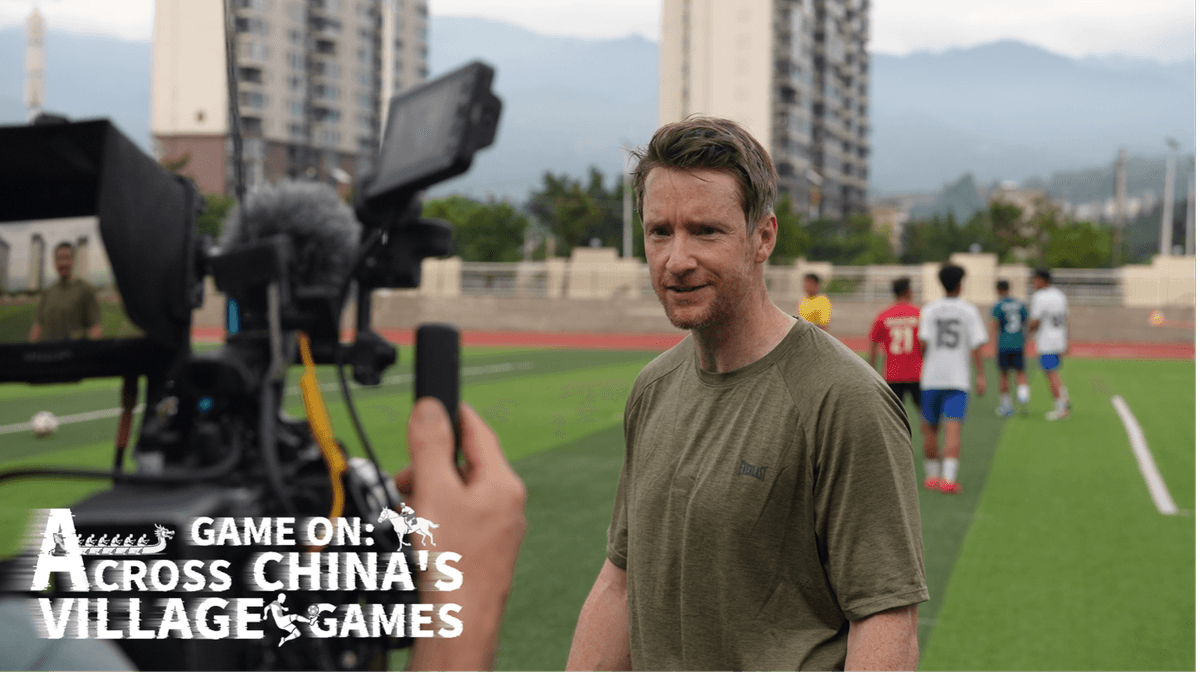
Game On: Across China's Village Games is a three-part series that follows photographer Thomas Heaton through three of the region's most feverish grassroots competitions. It premieres on National Geographic channels on November 14, with the third episode following on November 21.
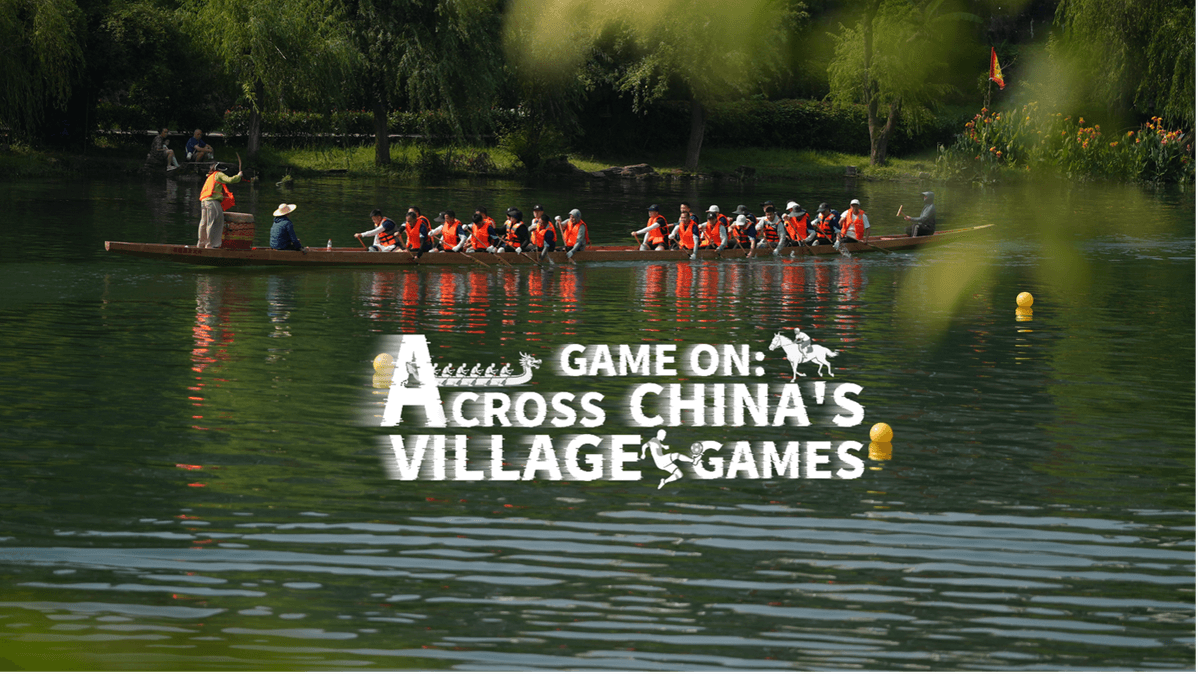
In Zhenyuan, he learns to paddle with a crew of veteran dragon-boat racers led by a dump-truck driver, Wang Guihai, and lines up against a younger, reigning-champion team. The race is framed less as sport than as heritage — dragon-boat racing on the Wuyang River is listed as national intangible cultural heritage — and the series leans into the mantra of "one boat, one heart."
In Sandu, home to the Shui ethnic minority, he approaches the local fixation with horses: the riding, the racing, and the intricate horse-tail embroidery threaded through Shui identity.
In Rongjiang, he drops into the "Village Super League", the grassroots football tournament whose packed, raucous crowds went viral online and briefly made even China's underachieving professional game sit up and take notice.
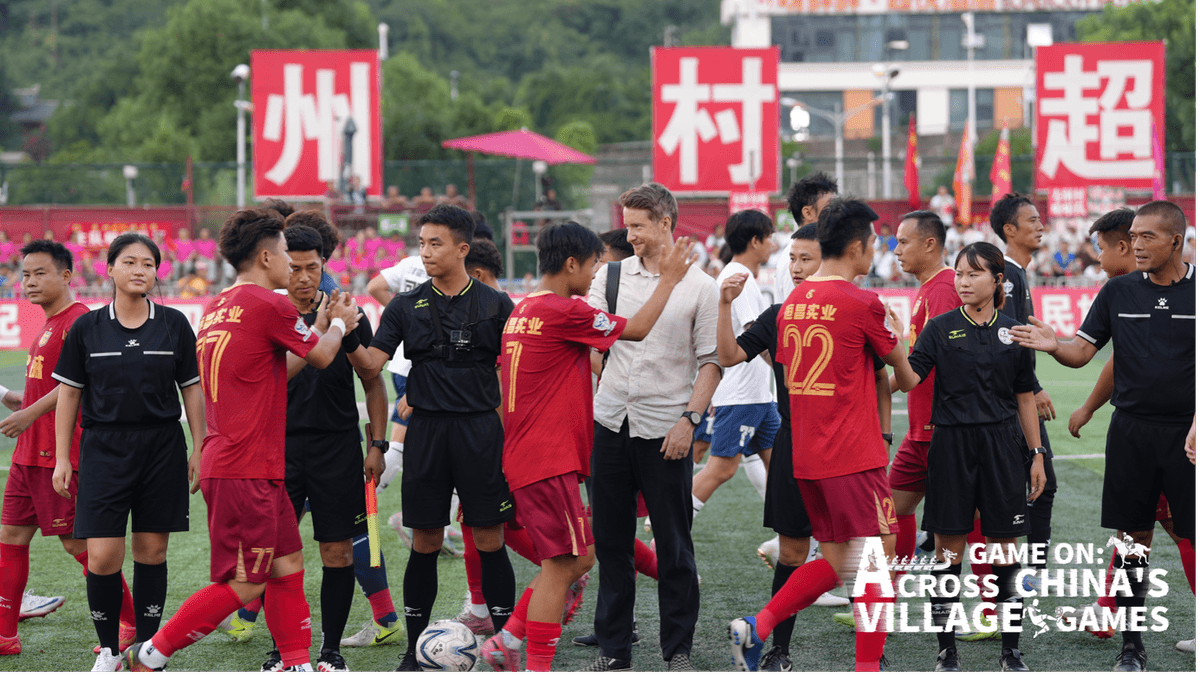
Produced by Guizhou Radio and Television Station, the series is as interested in life off the field as on it, and its richness lies in the particulars: a drum setting the pace for each stroke, an embroiderer’s needle working horse-tail motifs into silk, a village square overflowing with neighbors on match night. Sport, here, is what brings people together — a dragon-boat crew in perfect unison, a rider and his horse in wordless partnership, an entire village standing behind its football team — and what lets people of very different backgrounds come to understand one another. Because Heaton is a participant rather than a distant observer, the film earns what it feels: over weeks of training and competition, he comes to share, first-hand, the love of sport that runs through these villages and the sense of responsibility each generation carries for passing its culture on. Its best moments — the grizzled paddlers, the thunderous charge of a horse race, a last-gasp equalizer celebrated by a whole village — need no commentary. What Game On records, in the end, is more than competition: it is ordinary people's love of life, their devotion to tradition, and their hopes for a better future.