
Fort Lauderdale Domestic Violence Lawyer Explains Florida's New Repeat-Offender Penalties and Pretrial No-Contact Law
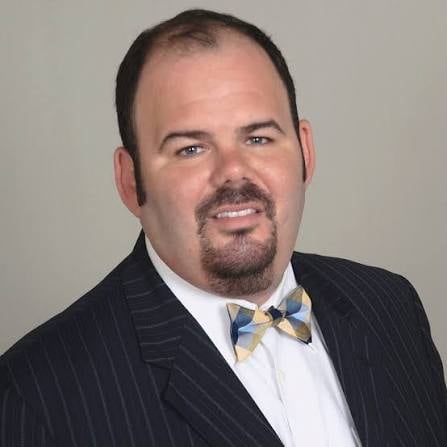
Two Florida laws passed in 2026 raise the stakes for people accused of domestic violence. Fort Lauderdale domestic violence lawyer Matthew Glassman of the Law Office of Matthew Glassman, P.A. says one law increases the penalty for a new charge when the accused has a prior domestic violence conviction, and the other creates a new crime for willfully violating a court-ordered no-contact condition of pretrial release.
How Does Florida Treat a Prior Domestic Violence Conviction?
HB 277 took effect July 1, 2026. Under new section 741.2801, Florida Statutes, a domestic violence offense is reclassified one degree higher if the person already has a prior conviction for a crime of domestic violence. A second-degree misdemeanor becomes a first-degree misdemeanor, and a first-degree misdemeanor becomes a third-degree felony. A third-degree felony becomes a second-degree felony, a second-degree felony becomes a first-degree felony, and a first-degree felony becomes a life felony. The enhancement does not apply to felony battery under section 784.03(2).
The law defines “conviction” broadly as a determination of guilt resulting from a plea or trial, even if adjudication is withheld or the plea is nolo contendere. That means an earlier case that ended with a withhold of adjudication can still be counted against a person. A domestic violence defense attorney can review whether an earlier case qualifies before a prosecutor relies on it.
What Does the New Pretrial No-Contact Law Do?
HB 397, the Victim Safety in Pretrial Release Act, took effect October 1, 2026. It applies when a person is arrested for a listed violent offense, including assault, battery, stalking, kidnapping, and other felonies involving force or the threat of force, and a judge orders no contact with the alleged victim as a condition of release. A willful violation is a first-degree misdemeanor, and a second or subsequent violation is a third-degree felony.
A person arrested for a violation must be held in custody until the first appearance hearing, and an officer may make a warrantless arrest on probable cause. Under Florida's pretrial release statute, “no contact” bars communication of any kind with the alleged victim, physical contact, and being within 500 feet of the alleged victim's home, vehicle, workplace, or other regularly frequented place. The order lasts through the pretrial release period unless the court modifies it. A Fort Lauderdale criminal defense attorney can explain the exact terms of an order and, when appropriate, ask the court to clarify or modify it.
What Should Someone Charged with Domestic Violence Do?
The first step is to read the release order carefully and follow every no-contact term exactly. That includes calls, text messages, social media, and messages passed through friends or relatives. Anyone unsure what an order allows should ask a Broward County criminal defense lawyer before acting, not after.
“A single text message can turn a manageable misdemeanor case into a much bigger problem,” said Matthew Glassman. “A no-contact order in a criminal case stays in full force until a judge changes it or the charge is dropped or dismissed or the defendant is acquitted at trial. And with the new repeat-offender penalties, an old case that ended with a withhold of adjudication can come back and bite you if you are arrested for a new Domestic Violence charge. The game has changed and the stakes are now higher.”
Anyone arrested in Broward County should speak with a criminal defense lawyer before discussing the case with police or prosecutors. Residents of Broward and Palm Beach counties searching for a criminal defense lawyer near me can contact the Law Office of Matthew Glassman, P.A., for a free consultation.
About Law Office of Matthew Glassman, P.A.
Based at 600 SW 4th Avenue in Fort Lauderdale, FL, the Law Office of Matthew Glassman, P.A. represents clients facing drug crimes, trafficking charges, DUI, domestic violence, weapons offenses, and other criminal matters throughout Broward and Palm Beach counties. The firm holds a 5.0-star rating on Google based on over 300 client reviews and Matthew Glassman is rated Superb (10.0) by Avvo.
Anyone facing criminal charges in Broward or Palm Beach County, FL, is encouraged to contact the firm for a free consultation.