
FarmPages Points Prairie Cattle Producers to Feeder, Waterer, Chute and Shelter Suppliers Before Winter Feeding and Calving Begin
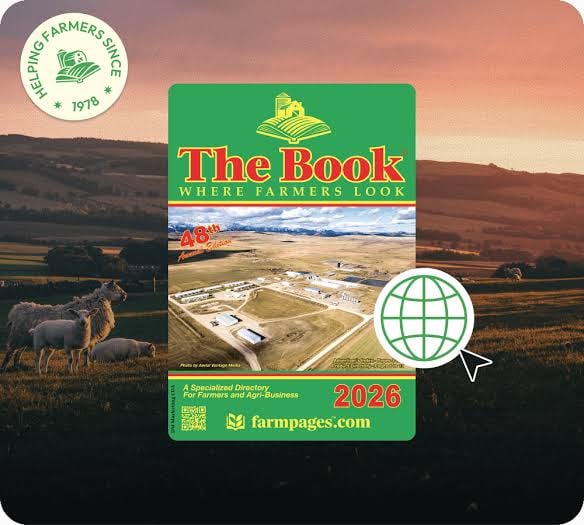
The agri-business directory groups more than 60 livestock equipment suppliers by product, with province pages for Manitoba, Saskatchewan and Alberta, so cow-calf operators can compare feeders, waterers, chutes and shelters before deep cold arrives.
Winnipeg, Canada — FarmPages, the online home of the farm supplier directory The Book, is pointing cattle producers to its Livestock Equipment section as cow-calf operations settle into winter feeding and start planning for calving. The section sorts more than 60 listed suppliers of feeders, waterers, handling gear, fencing, shelters and feed processing equipment by product, and province pages for Alberta, Saskatchewan and Manitoba show which of them are based closer to home.
Once the ground freezes, changing a feeding setup or setting posts for a windbreak gets slower and harder, and on plenty of Prairie operations the first calves arrive in the depth of winter. A survey of calving practices on 97 cow-calf herds in Alberta, Saskatchewan and Manitoba, covering the 2016 season, found that close to four in ten started calving cows in January or February, with March the most common start month. A herd that begins calving in late January needs its pens, chute and wind protection sorted well before Christmas.
Where Winter Puts Pressure on a Herd
Feed is usually the first pressure point, since hay pulled out and dropped gets trampled into snow and manure. Kansas State Research and Extension figures put losses from open-bottom ring feeders at 16 to 21 per cent of the original bale weight, while cone and basket designs that limit how cattle reach the hay have cut waste by 60 to 73 per cent compared with open designs in studies. The livestock feeders and augers subcategory lists 35 suppliers, including EZE-FEEDER, a family business in Cartwright, Manitoba known for portable cattle feeders, which FarmPages has profiled in a Supplier Spotlight.
Water problems show up fastest in a cold snap. The national Code of Practice for the Care and Handling of Beef Cattle, published in 2013, says snow must not be the sole water source for lactating or newly weaned cattle, or for cattle with a body condition score below 2.5 out of 5, and it requires a back-up water source in case loose snow runs short or the supply is interrupted. Manitoba Agriculture recommends automated heated waterers for overwintered cattle, checked daily, and notes that beef cattle drink 26 to 66 litres a day. The pasture management subcategory lists 24 suppliers of waterers, cattle oilers and similar products.
Catching a heifer that needs help calving, or treating a sick calf on a minus-30 morning, is quicker and safer when the head gate latches cleanly and the panels hold. The same code requires every beef operation to have access to equipment or facilities for the safe handling, restraint, treatment, segregation, loading and unloading of cattle. Tuff Livestock Equipment of Manitoba, which builds portable handling systems, squeeze chutes and head gates, and Affordable Livestock Equipment of Melfort, Saskatchewan, which supplies freestanding panels for cattle, bison, horses and sheep, are among the livestock equipment suppliers listed on FarmPages.
Shelter is where winter and calving overlap most directly. The beef code lists age, and newborn calves especially, among the factors that affect how cattle cope with adverse weather, and notes that sheltered, bedded calving areas, natural or constructed, can protect the cow and calf when calving happens in extremely cold weather. For producers weighing a calving barn, a fabric building or better ventilation, FarmPages lists 11 livestock shelter and barn suppliers, among them Diamond Shelters of Whitemouth, Manitoba, which builds fabric shelter buildings, and Sun-North Systems, which makes natural ventilation products for barns.
Questions to Ask Before Buying
The company suggests producers go into supplier calls with their questions written down. Delivery comes first: how far the supplier will haul panels or a shelter kit, what it costs, and whether a truck can still get in once the yard drifts over. Lead time matters as much, since a fabric building ordered in November may not be standing until well into winter. Producers should also ask who handles set-up and what the site needs beforehand, from a levelled pad to power for a heated waterer.
Parts and service deserve the same attention. A head gate that jams in January or a waterer that stops heating needs fixing within hours, and the nearest dealer can be a long drive away. According to FarmPages, it is worth asking whether a supplier stocks common wear parts, who does repairs locally and what the warranty covers, along with how a waterer holds up at the temperatures a farm actually sees and whether a shelter's frame and cover suit the snow load and wind on that yard.
Comparing Regional Options First
FarmPages is a directory. It does not sell equipment, set prices or rate the businesses it lists, and producers deal with suppliers directly. Category pages carry buying guidance and a visible FAQ; the Shelters page, for one, covers portable versus permanent shelters, snow and wind loads, and ventilation. The province pages for livestock equipment list the suppliers based in Alberta, Saskatchewan and Manitoba, along with what-to-look-for guidance and a quote checklist. A producer near Brandon can see which feeder and panel makers are within a reasonable drive before deciding whether one further away is worth the freight.
The approach comes from print. The Book, Where Farmers Look, has served farmers and agribusinesses since 1978, is updated and distributed every year, and reports total circulation of more than 150,000 across Canada and the U.S. northern plains. FarmPages carries that directory online, with 472 supplier listings across 81 category pages.
The company says the livestock section is most useful when producers open it early, while there is still time to compare a couple of quotes, book delivery ahead of the worst road conditions and have equipment set up before the first calves arrive. Listed suppliers range from small family manufacturers to farm retailers with locations across all three Prairie provinces.
About FarmPages
FarmPages.com is the online agricultural directory associated with The Book, a publication serving farmers and agribusinesses since 1978. The Book reports total circulation of more than 150,000 across Canada and the U.S. northern plains and is updated and distributed annually. FarmPages helps producers discover agricultural suppliers and services before they buy.