
Entrepreneur Justin Calabrese Argues AI Misuse, Not Technology, Poses Greatest Risk
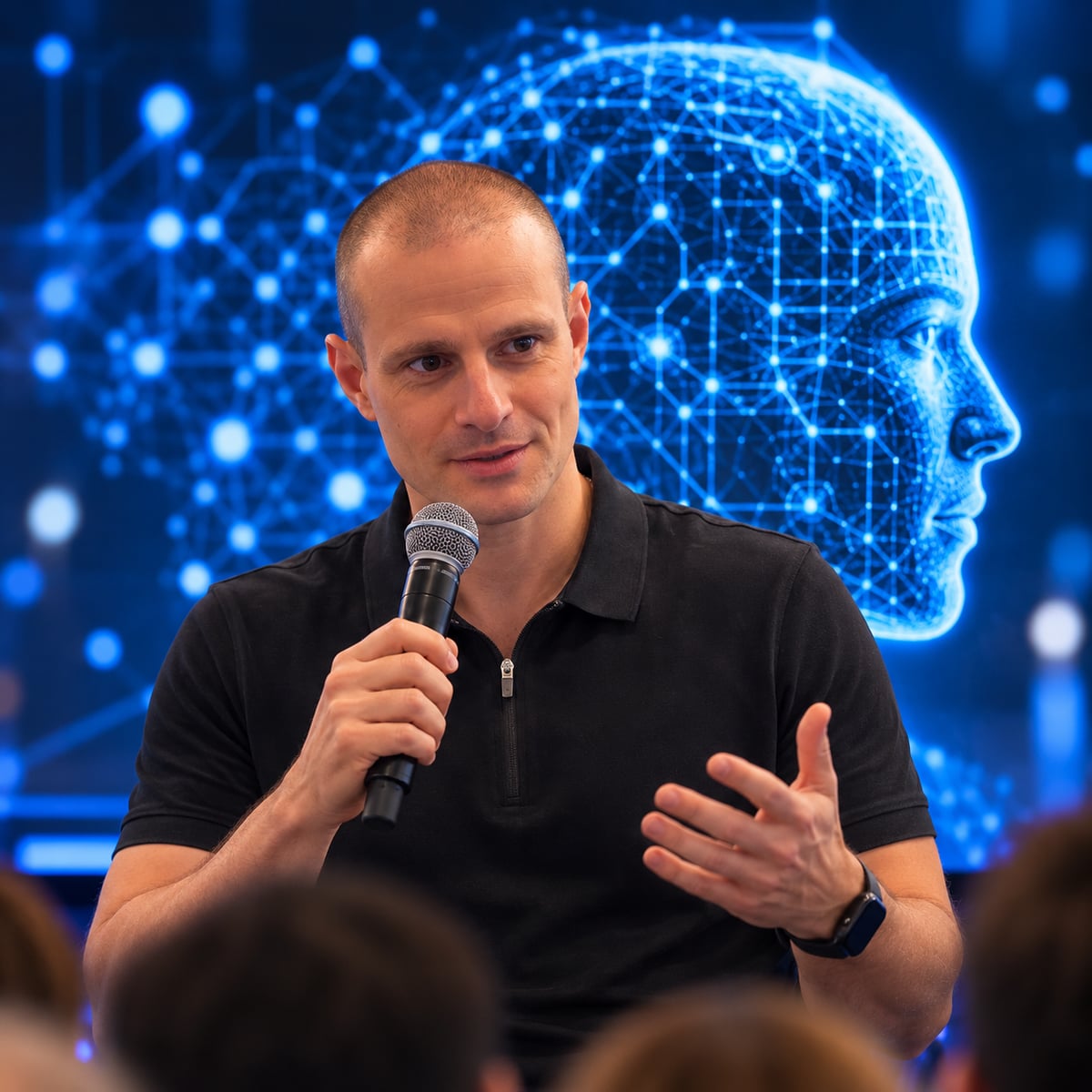
Entrepreneur Shifts Focus to Human Judgment in AI Debate
Entrepreneur and author Justin Calabrese is raising a different question in the ongoing debate over artificial intelligence: what happens when increasingly powerful AI tools end up in the wrong hands? As AI becomes more realistic and accessible, Calabrese argues that the central challenge is no longer simply determining what machines can create, but deciding what humans should create.
His position, stated plainly, is that the technology itself is not the enemy. "AI didn't invent lying, manipulation or bullying. Humans did. AI can simply make those behaviors more powerful," Calabrese said.
Deception Becomes Faster and More Convincing
From deepfakes and voice cloning to misinformation, impersonation and reputational harm, AI can make deception faster and more convincing. These capabilities are no longer confined to research labs or well-funded actors. Widely available tools now allow individuals to generate convincing audio, video and text with minimal technical skill.
Calabrese points out that the underlying behaviors—lying, manipulation and bullying—are not new. What has changed is the speed, scale and realism that AI brings to them. The consequences, he says, are very real even when the technology is artificial.
Embrace Innovation Without Abandoning Responsibility
Calabrese advocates embracing AI, using it and innovating with it, but not at the expense of human judgment. He cautions that abandoning critical thinking in the rush to adopt new tools could amplify existing harms rather than solve them.
His argument places responsibility on users, developers and institutions alike. The question is not whether AI will be used, but how. As the line between human and machine-generated content blurs, the need for ethical guardrails and informed decision-making grows more urgent.
About Justin Calabrese
Justin Calabrese is an entrepreneur and author who writes about technology, business and the human decisions that shape both. His work focuses on the intersection of innovation and responsibility, urging audiences to consider the consequences of the tools they create and adopt.