
Air Voel Publishes Canadian BiPAP vs CPAP Guide to Help Sleep Apnea Patients Understand Bilevel Therapy
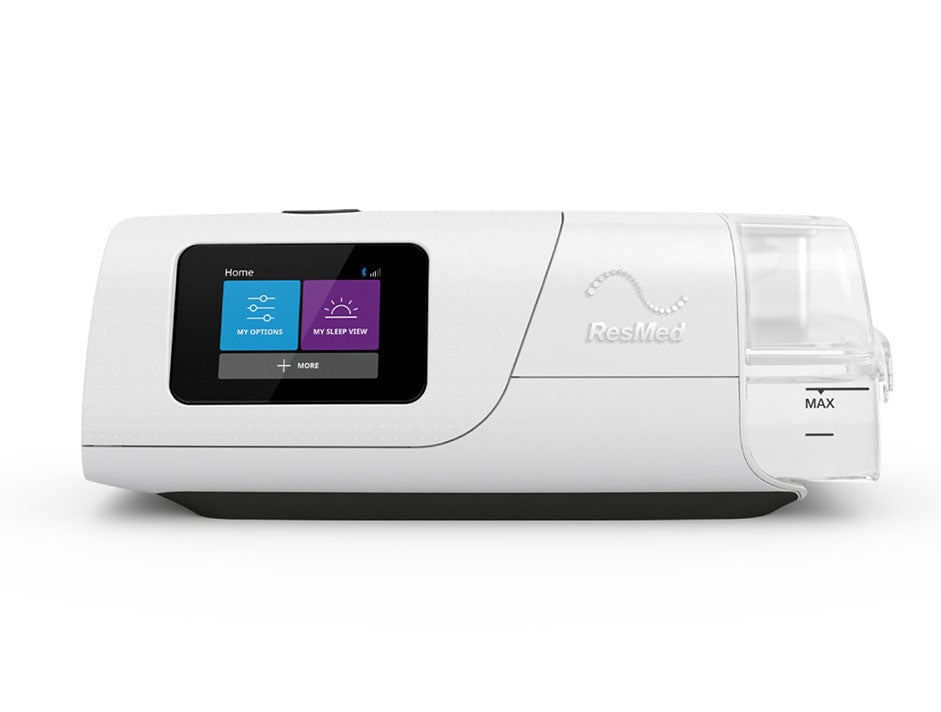
Toronto, Ontario, Canada — Air Voel, a Canadian online CPAP supplier and official ResMed Canada dealer, has published a plain-language guide to bilevel positive airway pressure therapy for Canadians who have been told they may need a BiPAP machine, or who are finding it hard to tolerate CPAP. The guide, written by the company's Sleep Care Specialists in Toronto, covers how the two therapies differ, the clinical reasons a physician may prescribe bilevel therapy, the main types of devices and the practical steps involved in getting one in Canada.
One Pressure or Two
A CPAP machine delivers a constant stream of pressurized air through a mask, holding the airway open so it cannot collapse during sleep. That approach works well for most people with obstructive sleep apnea, and CPAP remains the usual first-line treatment. Many CPAP machines include an exhale comfort feature, which ResMed calls Expiratory Pressure Relief, that briefly lowers pressure by up to 3 cm H2O as the user breathes out. It makes therapy feel softer, but the machine is still treating with a single prescribed pressure.
A bilevel machine delivers two distinct pressures: a higher inspiratory pressure, or IPAP, when the user breathes in, and a lower expiratory pressure, or EPAP, when they breathe out. The difference between the two, known as pressure support, actively assists each breath. The name BiPAP is a Philips Respironics trademark that has become the everyday term for any bilevel device, while clinicians often write BPAP or bilevel PAP. ResMed's bilevel family is called AirCurve.
When Physicians Consider Bilevel Therapy
The decision rests with a physician, usually after a sleep study. The American Academy of Sleep Medicine's clinical guideline for the manual titration of positive airway pressure states that a patient who is uncomfortable with or intolerant of high pressures on CPAP may be tried on bilevel therapy. It also notes that if obstructive breathing events continue at 15 cm H2O of CPAP during a titration study, the patient may be switched to bilevel. The guideline recommends a minimum difference of 4 cm H2O between inspiratory and expiratory pressure and a maximum inspiratory pressure of 30 cm H2O for adults and children aged 12 and older.
Bilevel devices are also used when the breathing problem is not purely obstructive. Central sleep apnea, in which the brain intermittently stops sending the signal to breathe, and complex sleep apnea may call for adaptive servo-ventilation (ASV) devices such as the ResMed AirCurve 11 ASV. ResMed states that ASV is contraindicated in patients with chronic, symptomatic heart failure with reduced ejection fraction, defined as an LVEF of 45% or less, and moderate to severe predominant central sleep apnea, which is why these devices are prescribed only after specialist assessment. Physicians may also prescribe bilevel support with a backup breath rate for some people with hypoventilation, COPD or neuromuscular conditions.
Bilevel Options Available in Canada
Air Voel's range of BiPAP machines in Canada centres on ResMed's AirCurve family. For people with obstructive sleep apnea who need bilevel therapy, the ResMed AirCurve 11 VAuto BiPAP machine is an auto-adjusting device that monitors the user's breathing pattern and adjusts throughout the night, and it is supplied with a humidifier and ClimateLineAir heated tubing. ResMed says its VAuto algorithm has been shown to have a positive effect on sleep quality and daytime sleepiness in patients switching from continuous pressure to VAuto bilevel therapy. The collection also includes AirCurve 11 ASV and ST-A models and AirCurve 10 ST, ST-A and ASV devices for prescriptions that call for those modes.
Bilevel machines use the same masks as CPAP, so people moving from one therapy to the other can often keep a mask that already fits well. Because bilevel therapy can involve higher inspiratory pressures, a good seal matters, and Air Voel's specialists can help customers review mask fit when their settings change.
Cost is the other common question. Bilevel devices cost more than standard CPAP machines, and the guide explains that PAP devices are usually covered by private health insurance plans, with Air Voel recognized as a registered CPAP provider by most private insurers. Coverage rules vary, so customers are encouraged to confirm their plan's requirements, which often include a prescription, before ordering.
Getting Started
The guide sets out the usual path: a sleep study, a physician's assessment, a prescription that specifies the device type and settings, and then equipment setup with a supplier who can program the machine to those settings. Air Voel includes a free consultation, machine programming, complimentary data readings and on-demand support appointments with device purchases, and it ships across Canada from its Toronto warehouse.
Readers can find the full BiPAP vs CPAP guide for Canadians on the Air Voel website, including a side-by-side comparison table and answers to common questions about switching from CPAP, travelling with a bilevel device and insurance coverage. The company stresses that no one should switch from CPAP to bilevel therapy on their own, and that any change in device or settings should be made with the prescribing physician.
About Air Voel
Air Voel is a Canadian supplier of sleep therapy equipment specializing in CPAP machines, masks, accessories, and related solutions. The company is committed to helping Canadians access reliable products that support better sleep, comfort, and long-term wellness through trusted service and convenient nationwide availability.